Difficult conversations
Have you ever had a conversation where your words seemed to leave someone frozen or, on the flip side, set off a whirlwind of emotions? Talking about sensitive topics can feel awkward, but these moments are key to building authentic and respectful relationships. This training will help you turn discomfort into opportunity and give you practical tools to handle tough conversations with confidence and care.
Why develop this skill?
Difficult conversations are inevitable, whether it’s to announce an unpopular decision, address a tense situation, or discuss problematic behaviours. When poorly handled, they can undermine trust, create misunderstandings, or escalate conflicts. By learning how to prepare for and lead these conversations effectively, you can defuse tensions, maintain healthy relationships, and promote respectful communication. This is a key skill for anyone in your organization striving to excel in their interactions.
What about psychosocial risks?
In the context of Bill 27, which strengthens Quebec employers’ obligations regarding the prevention of psychosocial risks in the workplace, knowing how to navigate difficult conversations takes on particular importance. Unresolved tensions, interpersonal conflicts and communication issues can negatively affect the work environment and increase the risk of harassment. By developing their ability to address sensitive topics with openness, respect and confidence, team members become better equipped to defuse tensions and contribute to a healthy, respectful workplace.
Expected outcomes

Conduct difficult conversations in a calm, respectful, and constructive way.

Manage the stress associated with preparing for and anticipating delicate discussions.

Identify the right approach and tailor it to the context and individual needs.

Strengthen trust and enhance the quality of professional relationships.
All you need to know about our training on difficult conversations in the workplace
Why does it matter to know how to handle difficult conversations?
A difficult conversation is one that feels uncomfortable because it touches on sensitive topics—like performance, behaviours, or interpersonal conflict. These kinds of conversations are often avoided, but they’re key to maintaining a healthy and respectful workplace.
Being able to navigate difficult conversations is a core workplace skill. It helps prevent misunderstandings, builds trust between colleagues, and supports stronger collaboration. Avoiding these conversations, on the other hand, can make problems worse and hurt team productivity.
What happens when we avoid tough conversations?
When we shy away from difficult conversations, it can lead to:
✓ Unresolved tension building up
✓ A drop in motivation and engagement
✓ Strained interpersonal relationships
✓ Negative impacts on team performance
When we shy away from difficult conversations, it can lead to:
✓ Unresolved tension building up
✓ A drop in motivation and engagement
✓ Strained interpersonal relationships
✓ Negative impacts on team performance
What are the benefits of training on difficult conversations?
Training on difficult conversations gives you:
✓ Practical tools to help you plan and guide these exchanges
✓ More confidence and assertiveness
✓ A more open, respectful team culture
✓ A way to turn discomfort into a chance to grow
Training on difficult conversations gives you:
✓ Practical tools to help you plan and guide these exchanges
✓ More confidence and assertiveness
✓ A more open, respectful team culture
✓ A way to turn discomfort into a chance to grow
Is this training only for managers?
No. Learning how to have difficult conversations is useful for everyone, regardless of their role. Whether you’re a manager, an HR professional, or a team member, these skills will help you collaborate and grow in a healthy work environment.
No. Learning how to have difficult conversations is useful for everyone, regardless of their role. Whether you’re a manager, an HR professional, or a team member, these skills will help you collaborate and grow in a healthy work environment.
How can difficult conversations training help prevent psychosocial risks under Bill 27?
Bill 27 strengthens Quebec employers’ obligations regarding the prevention of psychosocial risks, particularly those related to interpersonal conflicts and psychological harassment.
Difficult conversations are part of everyday working life. When they are avoided or handled poorly, tensions can build, misunderstandings can grow and working relationships can deteriorate.
By helping teams prepare for these conversations, express their concerns respectfully and address sensitive situations constructively, this training can help prevent conflicts from escalating. It can therefore be part of a broader organizational approach to preventing psychosocial risks, complementing the other measures employers are required to implement to foster a healthy and safe workplace.
What formats does Boostalab offer to master difficult conversations at work?
There’s no single right way to learn, so we offer a variety of formats to meet your organization’s needs:
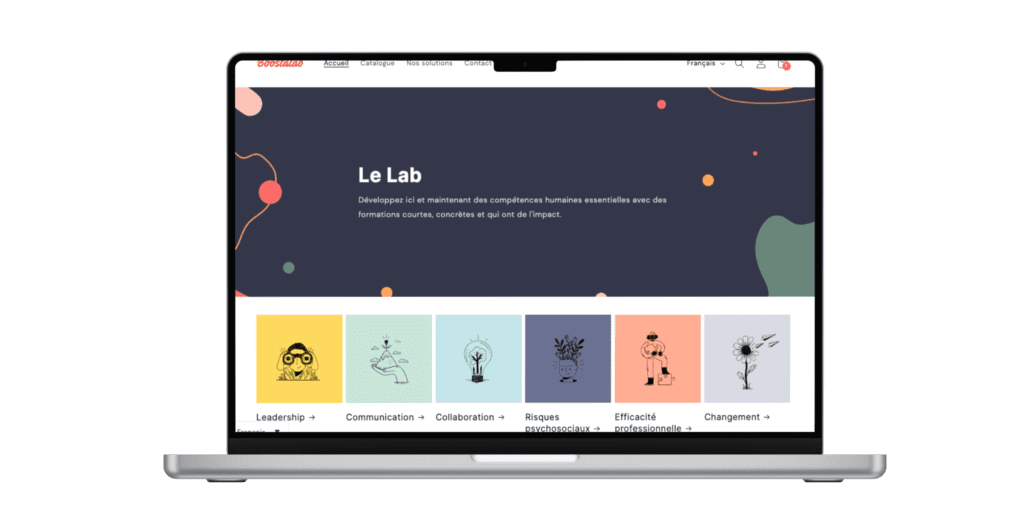
✔ Le Lab: an online learning platform you can access anytime, designed to help integrate best practices gradually, either individually or through a corporate subscription.
✔ Training boost: an interactive group workshop focused on a specific skill, to help your team try things out and build lasting habits.
✔ Interactive team training paths: a longer-term program to help transform collaborative practices in a sustainable way by working on multiple skills over a period of several months.
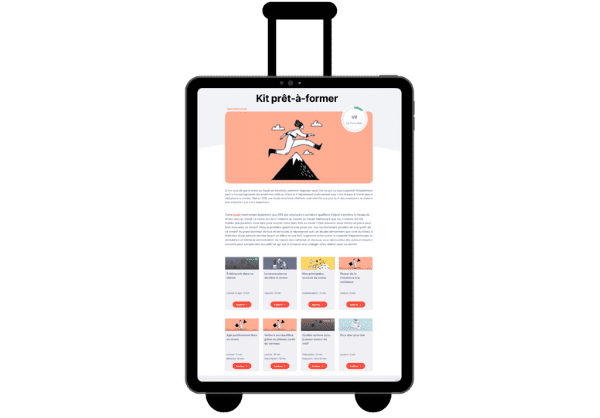
✔ Ready-to-train kit: practical, engaging, and easy-to-use training content that can be integrated directly into your organization’s LMS.
How do I start training with Boostalab?
You have two options:
Want to find out which training format is best for you? → Take the quiz!
Prefer to discuss it with an expert? → Book a meeting with us.
You have two options:
Want to find out which training format is best for you? → Take the quiz!
Prefer to discuss it with an expert? → Book a meeting with us.

Is this training right for you?
This training is right for you if... |
|
|---|---|
Ideal for you |
You tend to avoid difficult conversations because you're worried about creating tension or hurting someone's feelings.
You need to address sensitive issues, discuss behaviours that need to change or express disagreements without damaging relationships. You want to manage your emotions more effectively and handle difficult conversations calmly, confidently and respectfully. |
Depending on your needs |
You're already comfortable having difficult conversations but want to take a more structured approach to handling them.
Your main goal is to get better at giving constructive feeedback in everyday situations. |
May not be the best fit if... |
You're looking for specialized training in mediation or resolving complex, ongoing conflicts.
Your main focus is on addressing workplace harassment, conducting investigations or managing formal disciplinary procedures. |
Our solutions to master difficult conversations in the workplace
Help your teams transform difficult conversations into opportunities for collaboration and growth. By focusing on concrete actions and fostering lasting learning, you can create a respectful and open work environment. In doing so, seamlessly align collective well-being with organizational performance.



Success stories
Sometimes daring to do things differently takes us further than we ever imagined. Do like they did.

We wanted to offer a tailored program for our emerging leaders. They had shared development needs, and we also wanted to harness the group’s collective intelligence to foster synergy and mutual support among them. We were looking for a dynamic firm with content that sparks reflection and action, interactive facilitation, and an empowering, strengths-based approach… Boostalab met these criteria and then some!
I regularly recommend Boostalab, not only for these reasons but also because they’re genuine, passionate individuals. They work in a way that consistently helps people combine happiness and performance at work. Their content is “top-notch”: science-based, clearly explained, and concise, making it both accessible and highly effective.
Catherine Boulos
Corporate Advisor, Organizational Development - STM
Teams that have been transformed
Learn how our solutions have helped many teams take action and develop their skills.