Training course to strenghten cybersecurity practices in everyday work
Cybersecurity and AI in everyday work
The Cybersecurity and AI in everyday work training helps teams adopt simple practices to protect their data, secure their access, and use artificial intelligence responsibly. At Boostalab, we offer a practical approach to recognizing risks, responding to incidents, and building good security habits into everyday work.

What does day-to-day workplace cybersecurity mean?
Day-to-day workplace cybersecurity refers to the practices that help protect data, access, and digital tools in everyday work. It relies on simple actions that are repeated consistently and applied by all teams, not just IT teams.
Cybersecurity is not only about systems. First and foremost, it is about people and data. A human error, an inappropriate share, or poorly managed access can be enough to create a security gap. Incidents can come from external threats, such as phishing or ransomware, as well as internal situations, such as sending information to the wrong recipient or tool, or failing to revoke access.
In this context, cybersecurity becomes an essential workplace skill. It includes password management, two-factor authentication, device protection, access management, and being alert to suspicious communications.
It also means knowing how to recognize an incident, verify an unusual situation, and respond quickly.
The use of artificial intelligence adds a new dimension. Copying sensitive data into a public tool, using an unauthorized tool, or sharing information that has not been anonymized can create significant risks for the organization. Cybersecurity therefore also includes using AI carefully and within a clear framework.
In Québec, these practices are part of a specific legal framework, particularly with Québec’s Law 25, which governs the management of personal information. Organizations must be able to protect data, respond to requests for access to personal information, and document their actions.
Day-to-day cybersecurity is based on a simple idea: everyone has a role to play. Repeated actions, good habits, and collective vigilance are what help reduce risks.

Why invest in day-to-day cybersecurity training?
Investing in day-to-day cybersecurity training helps reduce the risks associated with human error, poorly managed access, and unsafe digital practices. Most security incidents are not caused by complex attacks, but by simple actions: a weak password, sharing information with the wrong person, or a click on a fraudulent link.
Without training, these situations can lead to data loss, privacy breaches, business interruptions, or reputational impacts. With the new realities of hybrid work and the growing use of AI, these risks are increasing and becoming harder to detect.
Training teams helps them adopt simple and effective habits. Recognizing a suspicious email. Managing access properly. Protecting sensitive information. Responding quickly in the event of an incident. These actions help reduce vulnerabilities in a concrete way.
The return on investment is direct. Fewer incidents. Less wasted time. Less stress when something unusual happens. More autonomy and confidence within teams. Better protection for data and tools.
In Québec, this investment is also part of a legal framework. Québec’s Law 25 requires organizations to better protect personal information and meet certain obligations in the event of an incident or access request. Training teams helps reduce the risk of non-compliance.
This training may also fall under eligible expenses covered by the 1% training law. Some companies may also have access to financial assistance through Services Québec.

Who is this training for?
This day-to-day cybersecurity training is for anyone who handles data, uses digital tools, or accesses systems as part of their work. It is especially relevant for managers, who need to make sure best practices are applied and risks are managed within their teams.
It is also designed for HR professionals, administrative teams, and operations leads, who regularly handle personal information and must comply with requirements related to Québec’s Law 25. Project teams, business partners, and remote employees will also find practical guidelines to help secure their day-to-day practices.
This training is also useful for any organization that wants to help its teams take ownership of digital risks, strengthen data protection, and build a shared cybersecurity culture. No technical knowledge is required: above all, it focuses on simple habits that can be applied right away.

Training solutions to help teams master cybersecurity in the age of AI
Help your teams master cybersecurity in the age of AI with a training solution that drives real action. This is how you can reconcile performance and wellbeing in a simple way.


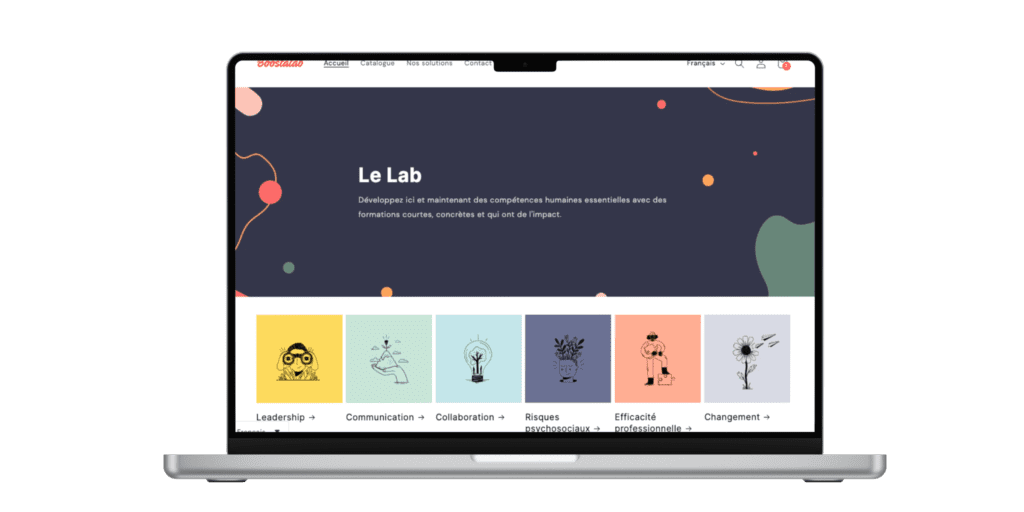
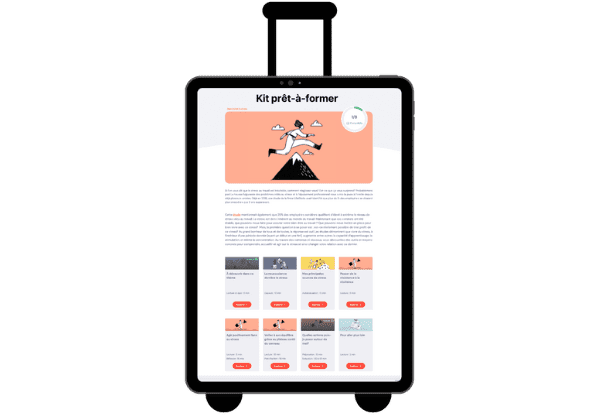

Explore our catalogue of AI training courses on Le Lab
AI collection
Why learn to secure your data, digital access, and AI use?
Cybersecurity risks do not only come from external attacks. They also come from everyday actions: a poorly configured access, a document shared in the wrong place, or data copied into an AI tool without proper precautions. Learning to secure your practices means reducing these risks before they become real problems.
Developing good habits helps better protect information, respond quickly in the event of an incident, and meet obligations related to personal information. It is also a way to use AI more carefully, without exposing sensitive or confidential data.
In practice, it is not about becoming a cybersecurity expert. It is about knowing what to do, when to do it… and what to avoid.
Training outcomes

Reduce the risk of costly mistakes by adopting simple habits around access, passwords, sharing, and vigilance

Respond quickly and effectively in the event of an incident using a clear, practical method: detect, verify, act, and report

Protect sensitive data day to day by better distinguishing what can be shared… and what should not be

Use AI without compromising security by avoiding risky practices, such as copy-pasting data or using unapproved tools
FAQ – Training on cybersecurity, data, access and AI
Why take training on everyday cybersecurity?
This training helps reduce the risks associated with human error and unsafe digital practices. It helps teams adopt simple habits to protect data, secure access, and respond effectively in the event of an incident.
This training helps reduce the risks associated with human error and unsafe digital practices. It helps teams adopt simple habits to protect data, secure access, and respond effectively in the event of an incident.
Who is this training on cybersecurity for?
It is designed for anyone who uses digital tools or handles data in their work. It is especially relevant for managers, HR and administrative teams, and anyone working remotely or in a digital environment.
It is designed for anyone who uses digital tools or handles data in their work. It is especially relevant for managers, HR and administrative teams, and anyone working remotely or in a digital environment.
Do you need technical knowledge to take this training?
No. This training does not require any technical expertise. It is designed to develop concrete, accessible habits that can be applied as soon as lear return to work.
No. This training does not require any technical expertise. It is designed to develop concrete, accessible habits that can be applied as soon as lear return to work.
What types of risks are covered in the training?
The training covers external threats such as phishing and ransomware, as well as internal errors such as inappropriate sharing or forgotten access. It also addresses risks related to the use of artificial intelligence.
The training covers external threats such as phishing and ransomware, as well as internal errors such as inappropriate sharing or forgotten access. It also addresses risks related to the use of artificial intelligence.
What is Law 25 and why is it important?
Québec’s Law 25 governs the protection of personal information in Québec. It requires organizations to better protect data, respond to individuals’ access requests, and document their practices. This training helps participants understand these obligations and adopt the right habits.
Québec’s Law 25 governs the protection of personal information in Québec. It requires organizations to better protect data, respond to individuals’ access requests, and document their practices. This training helps participants understand these obligations and adopt the right habits.
What should you do in the event of a cybersecurity incident?
You need to act quickly. The training proposes a simple method: detect, verify, respond, and report. The goal is to limit the impact and make sure the situation is handled properly.
You need to act quickly. The training proposes a simple method: detect, verify, respond, and report. The goal is to limit the impact and make sure the situation is handled properly.
How can AI be used safely at work?
It is important to avoid sharing sensitive data in public tools, prioritize tools authorized by the organization, and anonymize information when needed. AI should be used with caution and good judgment.
It is important to avoid sharing sensitive data in public tools, prioritize tools authorized by the organization, and anonymize information when needed. AI should be used with caution and good judgment.
Are your trainings eligible under the 1% Law?
Yes, they may fall under eligible expenses covered by the 1% Law, depending on your organization’s situation. Some companies may also have access to financial assistance through Services Québec.
Yes, they may fall under eligible expenses covered by the 1% Law, depending on your organization’s situation. Some companies may also have access to financial assistance through Services Québec.
What results can participants expect after the training?
Participants leave with concrete habits to better protect their data, manage access, and respond to risky situations. Teams gain autonomy, vigilance, and confidence in their use of digital tools.
Participants leave with concrete habits to better protect their data, manage access, and respond to risky situations. Teams gain autonomy, vigilance, and confidence in their use of digital tools.
How is this training different from technical cybersecurity training?
This training focuses on everyday behaviours and habits. It is not designed to train technical experts, but to help everyone become more vigilant, responsible, and equipped when facing digital risks.
This training focuses on everyday behaviours and habits. It is not designed to train technical experts, but to help everyone become more vigilant, responsible, and equipped when facing digital risks.